
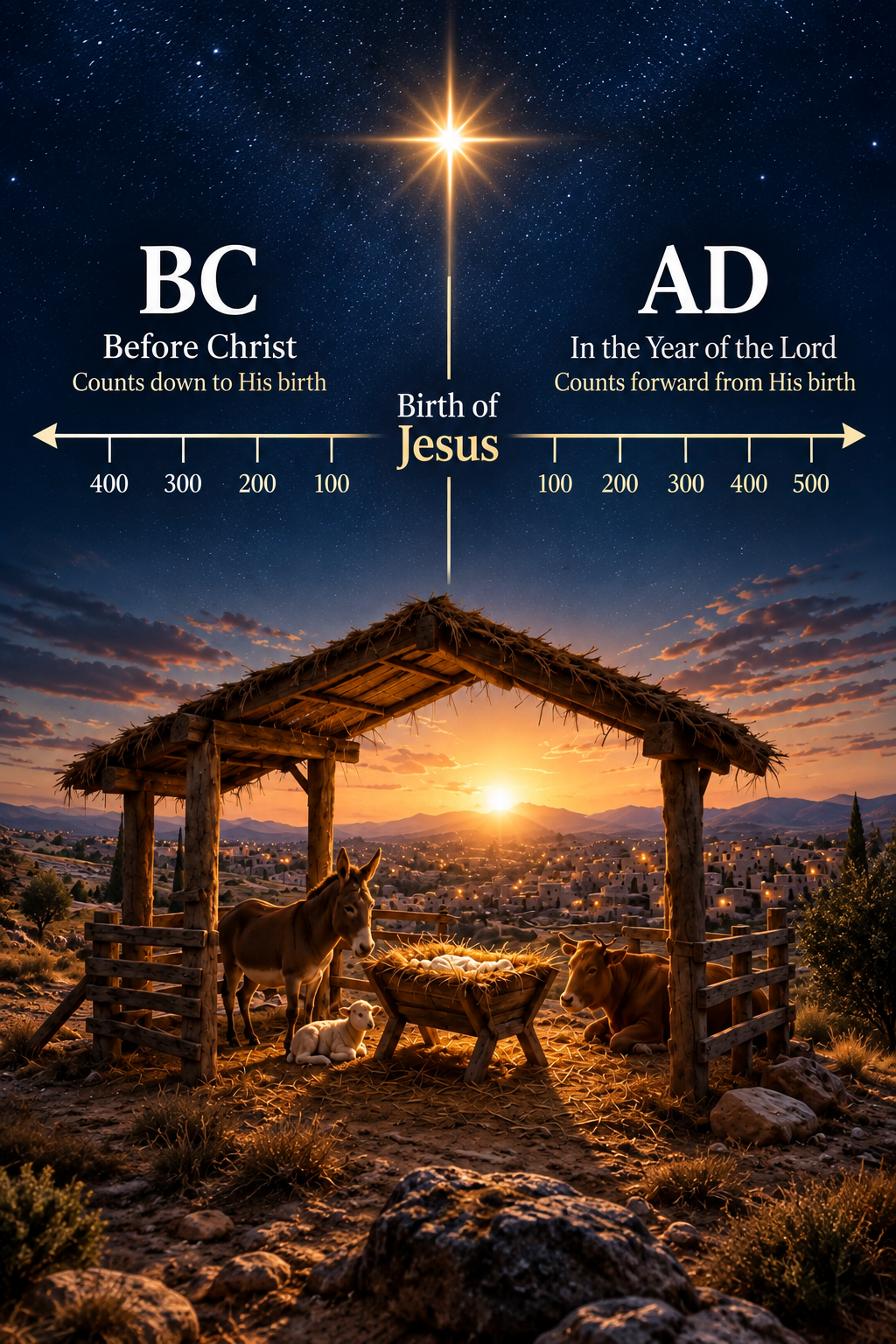
The year is 2026. No matter what your belief system, this means that approximately 2026 years ago Jesus came into the world. Even for those who try to change BC (Before Christ), which counts down to His birth, and AD (In the year of the Lord), which they have no right or authority to do since the calendar was not their work or creation, the measuring point remains the same. Saying that it is 2026 is an acknowledgement that Jesus came into the world. The fact that time itself is measured by His existence in a very significant thing.
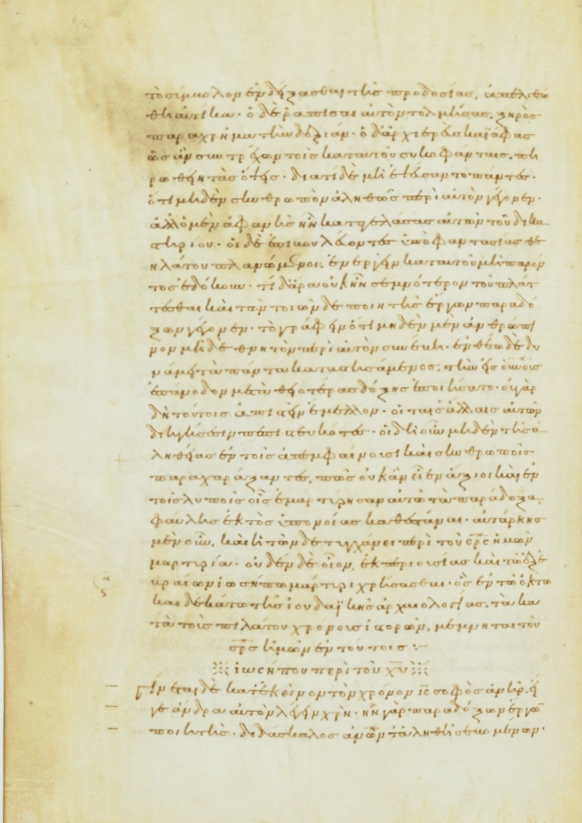
In the Bible, there are four Gospels, namely Matthew, Mark, Luke, and John. These tell about the life of Jesus. In addition to these, there are more than 25,000 manuscripts about Jesus. There are approximately 5,800 ancient Greek manuscripts containing parts or all of the New Testament. Of these, about 2,400 to 2,600 specifically contain the four Gospels. There are also approximately 10,000 manuscripts in Latin and 9,300 more in Syriac, Coptic, Ethiopic, Armenian, and Arabic.
To put this into perspective, Plato has 250 to 300 manuscripts, Julius Caesar 250 plus manuscripts, and Aristotle1,000 plus manuscripts.
Some significant historical figures who have mentioned Jesus includes the following:
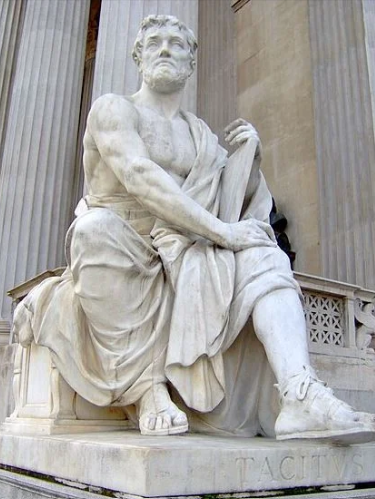
Roman historian and senator, Cornelius Tacitus (AD56 to AD 120), who in his final work The Annals, described Emperor Nero blaming the great fire of Rome in 64 AD on the Christians. Tacitus noted that the name "Christian" came from Christ, who was executed by the procurator Pontius Pilate during the reign of Tiberius.
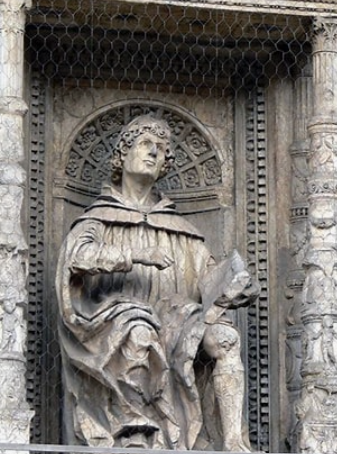
Roman governor and writer in Bithynia, Pliny the Younger (AD61 to AD113), who in a letter to Emperor Trajan around 112 AD, asked for advice on how to handle Christians. He mentioned that Christians gathered on a fixed day before dawn to sing hymns to Christ "as to a god" and bound themselves by an oath to do no wicked deeds.

Prominent Roman historian and the chief secretary to Emperor Hadrian, Gaius Suetonius Tranquillus (AD69 to AD122), who had direct access to the imperial archives. In his famous biographical work, The Lives of the Twelve Caesars, Suetonius records the actions of Emperor Claudius. He wrote that Claudius "expelled the Jews from Rome because they constantly made disturbances at the instigation of Chrestus". Historians generally agree "Chrestus" was a common Roman misspelling of Christus (Christ). This matches the biblical Book of Acts, which notes Jews being forced to leave Rome under Claudius.
Jesus lived on this earth and made a very significant impact. That is a fact. He wasn’t a king or a nobleman, as we count kings and noblemen, but yet his existence changed the course of this world. His teachings impact society to this very day and millions around the world freely place their trust in Him. I encourage you to read the four gospels and see how He lived and what He taught for yourself.